Master's degree (2 years)Full timeAquaculture
Do you want to help shape the future of food production? The aquaculture industry is an innovation-driven and rapidly growing sector, offering great opportunities for those who want to combine technology, sustainability, and research.
ECTS credits:
120
Application deadline:
Applicants outside EU/EEA: 1 December
Norwegian, Nordic, EU/EEA and Swiss citizens: 15 April
Start of Studies:
Autumn
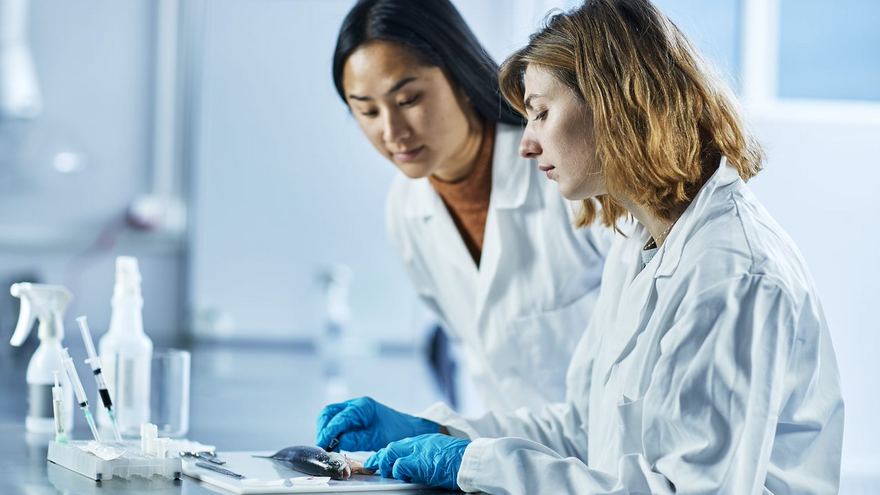
Master of Science. Two-year, full-time, 120 ECTS
Language of instruction: English
The study starts with an introductory course in sustainability and animal welfare in aquaculture before continuing with courses in fish physiology and applied aquaculture.
The aim of the study is to provide students with practical and theoretical knowledge in various fields, before they complete their master's thesis within a focus area, which can be chosen from genetics and breeding, fish nutrition, production technology or another area of interest, e.g. water or product quality.
The master's thesis project normally lasts six months or a year and offers great flexibility in terms of project type and location.
Career opportunities
Our candidates could work as managers in the farming industry, quality control, feed production, advisory positions within both private and public authorities, product development and research into new technology, feed and equipment for the aquaculture industry.
The master's degree also provides the opportunity for an academic career.
Even Møller Haarberg - Operations technician in Ode AS
Jenny Dahlberg - Working with sustainable protein sources
Markus Antonsen - Wants to move farmed salmon to open sea
Elise Olafsen - Build your network within the industry while you study
Erika Hanson - The teachers clearly know the aqua industry well
Program structure
Learning outcomes
Exchange possibilities
More about the program
Study advisor(s):
Societal relevance
Aquaculture is the fastest-growing form of food production in the world and plays a key role in global food security. By studying aquaculture, you will have the opportunity to contribute to sustainable food production that balances technology, biology, and fish welfare. This field is suited for you who want to develop innovative solutions and make a meaningful impact on sustainable global food systems. With hands-on experience and a strong focus on the future of the industry, this education opens doors to exciting career opportunities worldwide.