Master's degree (2 years)Full timeNordic Master in Aquatic Food Production - Safety and Quality
Salmon farming
Do you want to become an expert in salmon farming? With this master’s degree you’ll gain a comprehensive understanding of the entire Atlantic salmon production system. You’ll cover every stage from egg to harvest, from land-based hatcheries to sea-based farms and new production systems. With this expertise, you can contribute to providing healthy, nutritious food to a growing global population while supporting the sustainable growth of Atlantic salmon production.
ECTS credits:
120
Application deadline:
Norwegian, Nordic, EU/EEA and Swiss citizens: 15 April.
Students outside EU/EEA/EFTA: 1 December.
Start of Studies:
Autumn
Requirements:
A relevant bachelor or equivalent degree in life sciences or engineering.
Requirements in detail
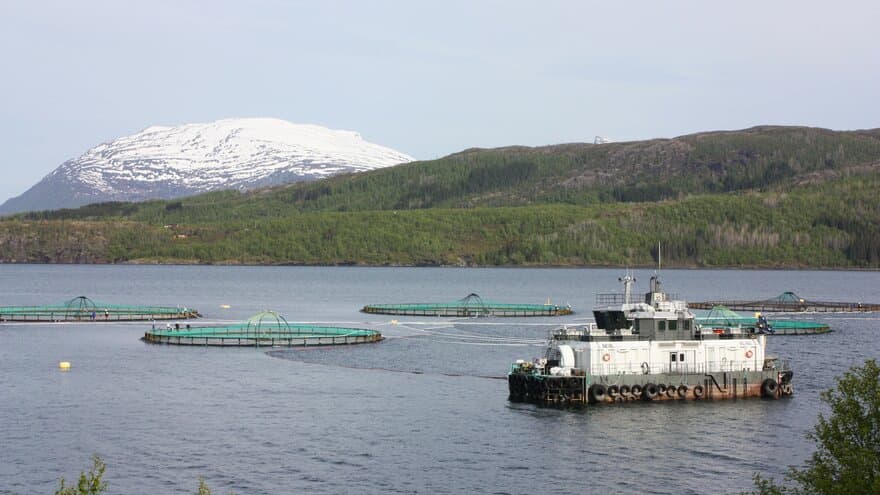
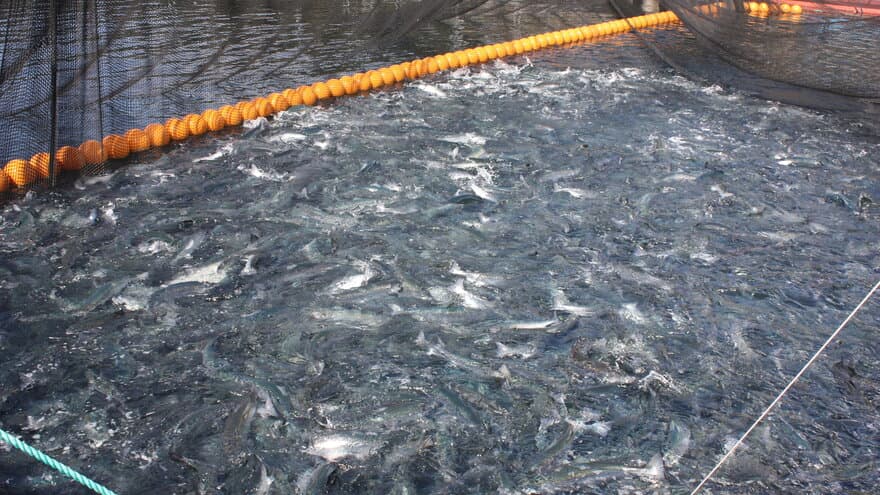
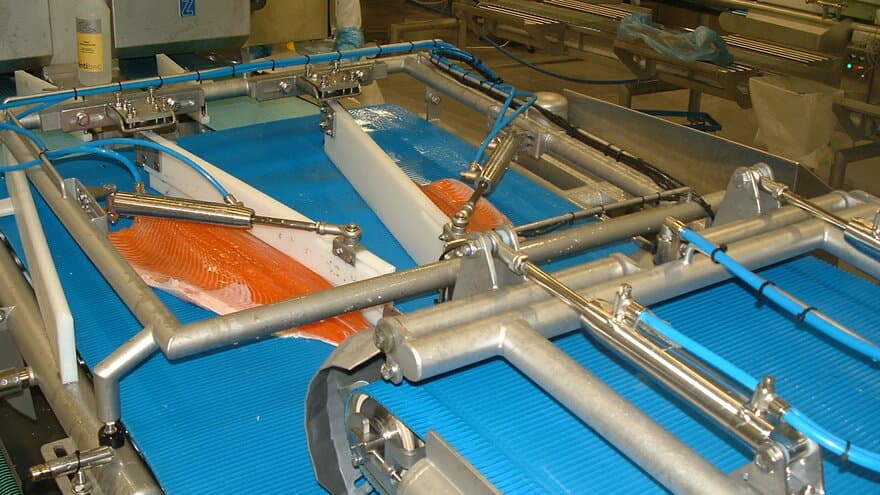
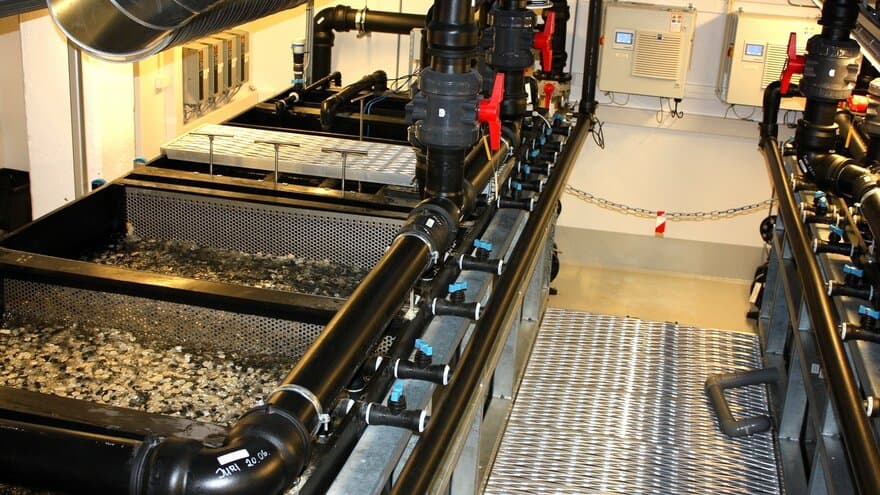
Master of Science. Two-year, full-time, 120 ECTS
Language of instruction: English
This master’s program is an innovative education, focusing on sustainability and advanced technology. It integrates key areas of salmon production, marine resource management, and aquaculture engineering. With this degree, you’ll be prepared to meet the evolving needs of consumers, industry, and society.
You will gain expertise in production technology, fish farm planning and design, and processing technology, all with an emphasis on sustainability and welfare. As a graduate, you’ll be qualified for jobs in aquaculture production, food processing, resource management, research, teaching, consulting, and industry innovation.
The program welcomes Norwegian, European, and international students with backgrounds in food science, chemistry, biology, microbiology, natural sciences, environmental studies, health, biotechnology, aquaculture, fishery, or engineering who wish to specialize in salmon production at the M.Sc. level.
Read about what it's like to be a student at NMBU.
Student accommodation close to our stunning campus is offered through NMBU's Student Welfare Association (SiÅs). International students are prioritized for on-campus housing, though this is not guaranteed. We recommend that you apply for accommodation immediately after accepting your admission offer to secure housing. Read more about accommodation here.
Career opportunities
The salmon aquaculture industry offers diverse careers across production, research, technology, and sustainability:
- Aquaculture Operations: Managing the salmon lifecycle from egg to market, focusing on feed, health, and growth optimization.
- Research & Development: Addressing challenges in health, feed efficiency, and waste reduction, with innovation in offshore and land-based farming.
- Environmental & Sustainability: Reducing aquaculture’s carbon footprint, managing waste, and ensuring regulatory compliance.
- Technical & Engineering: Designing and maintaining water quality systems and developing automation for feeding and waste management.
- Quality Control: Testing product quality, monitoring contaminants, and implementing food safety.
- Sales & Marketing: Expanding global markets, managing logistics, and building brand presence
Program structure
Learning outcomes
More about the program
Study advisor(s):

Societal relevance
The Atlantic salmon aquaculture industry is a vital component of the global aquatic food sector, emphasizing sustainability and responsible practices across a range of activities, from fish farming and processing to resource management and technological innovation.
In 2022, global production of farmed Atlantic salmon reached approximately 2.6 million tonnes, with Norway alone producing over 1.3 million tonnes, leading the industry in sustainable practices and efficiency.
As the sector strives to meet the growing global demand for fish and seafood, it faces the dual challenges of increasing food security while minimizing environmental impacts.
Salmon farming, with a carbon footprint of around 5.1 kg CO2 per kg of edible product compared to 39.0 kg for beef, exemplifies resource-efficient protein production, aligning with UN Sustainable Development Goals focused on food security, responsible consumption, and climate action.
This program equips students with foundational knowledge across essential areas—fish processing, primary production, marine resource management, and sustainability in aquaculture—preparing them to contribute effectively to a responsible and sustainable salmon farming.