News
About the section
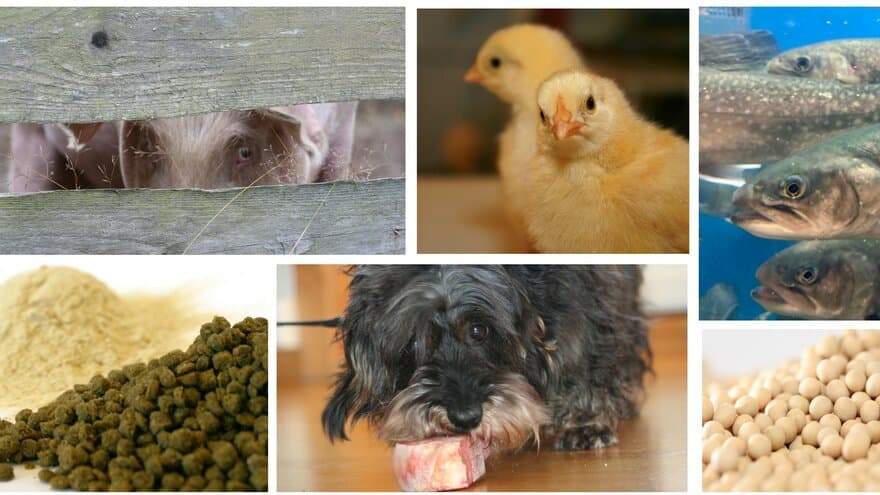
We contribute fundamental knowledge about nutrition and physiology in both fish and monogastric animals. We work to increase the nutritional value of existing feed ingredients and to develop new, local and circular feed ingredients. This includes the utilisation of various side streams and underutilised biomass from agriculture, forestry and marine industries as raw materials in future feed production.
The group has expertise along the entire value chain – from detailed chemical and physicochemical characterisation of raw materials, via feed technology and nutritional trials, to studies of how new raw materials affect immune responses, composition and function of the gut microbiota, and product quality. We use modern omics-based methods to understand how different raw materials affect feed utilisation, physiology and health. Our work also includes the use of cell culture and model animals, such as ferrets, to test, respectively, tolerance, immune responses and digestibility of new raw materials before they are tested in larger animal trials.
The goal is to develop feed that goes beyond traditional nutrition: feed mixtures that not only ensure good growth, but also strengthen health and welfare, provide high product quality and reduce the environmental footprint of both farmed fish and other monogastric production animals.
We work with a wide range of raw materials, including microbial ingredients such as yeast and mycelium, microalgae, insects, kelp, fermented plant-based raw materials and animal by-products.
The work is carried out in close collaboration with industry and national and international research environments. We use NMBU's advanced research infrastructure for feed analysis, feed technology and fish and animal experiments, supplemented by infrastructure at our partners to carry out field experiments, among other things.
We teach and supervise at bachelor's, master and PhD levels.
Teaching
Collaboration partners
Members
Research project
Both projects we lead and those we are involved in