As the need for research-based knowledge grows, universities must prepare researchers to contribute across society. NMBU offers a dynamic programme for PhD candidates to strengthen skills and broaden their professional toolkit.
At NMBU, PhD candidates are supported in developing both strong academic expertise and the broader skills needed to create impact beyond academia.
From 18-22 May, NMBU invites all PhD candidates and early-career researchers to a dynamic programme, NMBU Next, tailored to strengthen research skills and expand their professional toolkit.
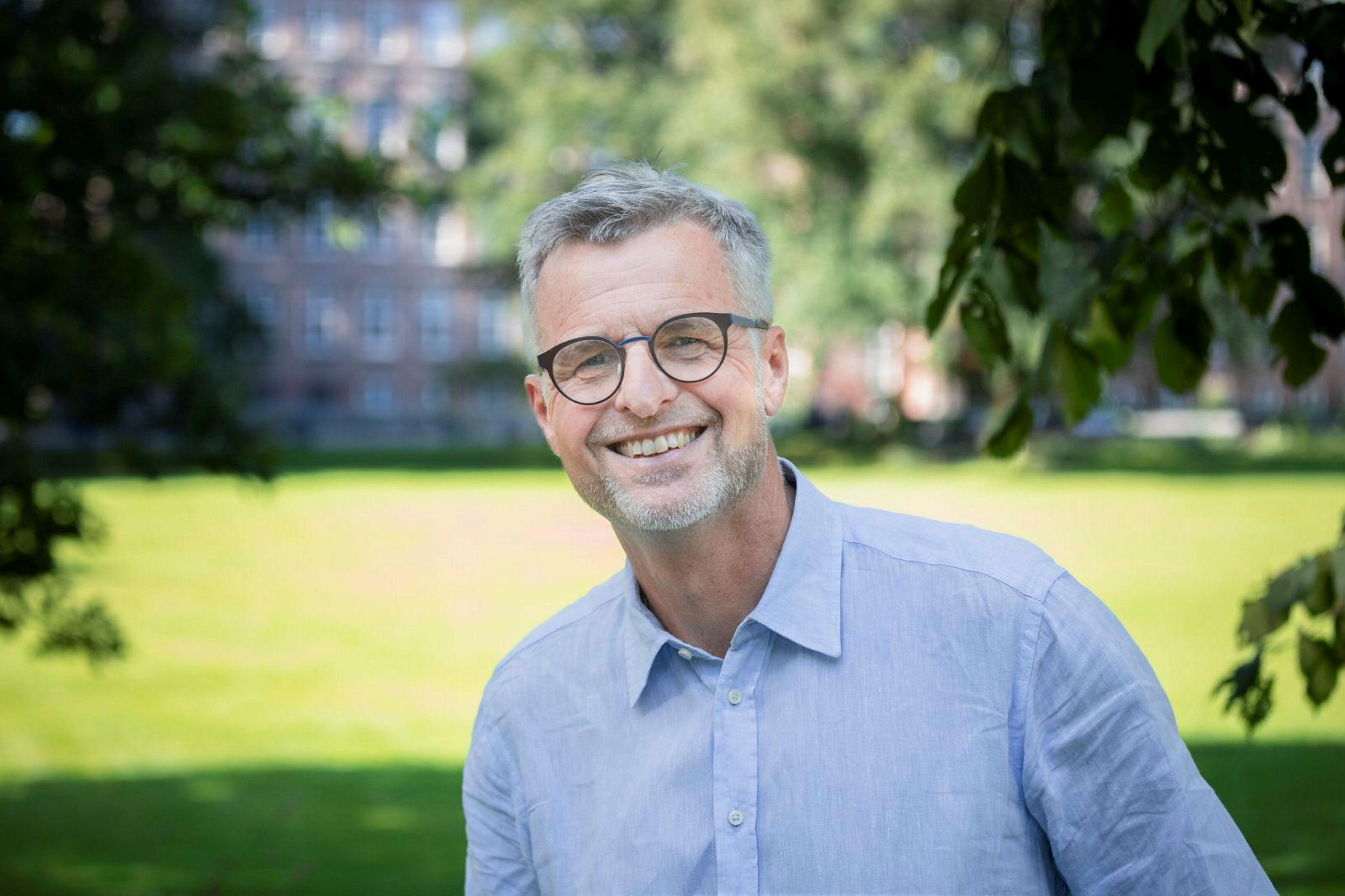
We spoke with Pro-Rector for Research and Innovation, Erik Trømborg, about why this matters, career development and opportunities beyond the PhD.
Career development from the start
We asked Pro-Rector why career development should matter for PhD candidates and early-career researchers. He emphasizes that it is not separate from the PhD, but develops alongside it.
"I think early-career researchers should care about career development today because a PhD opens more possibilities than many realize," he explains.
"My advice is to prioritize your scientific work and progress, but also use the PhD period to reflect on what you enjoy and where you develop best: research, teaching, working with people, methods, communication, application or maybe leadership?"
At NMBU, this perspective underlines an important principle: the PhD is not only about building expertise, but also about developing awareness of one’s own strengths, interests and direction.
Beyond narrow ideas of career paths
There is often a misconception that career options after completing a doctoral degree are limited.
"Maybe the biggest myth is that there are only a few narrow paths after a PhD,” he says.
"There are far more possibilities than many candidates think. A PhD can lead to research, teaching, policy, innovation, administration, industry, consultancy, or leadership. And you can change direction later."
Rather than a fixed trajectory, he describes careers as evolving through experience, choices and opportunities along the way — something NMBU actively seeks to prepare candidates for.
Communication and collaboration as key to impact
Reflecting on his own career, Pro-Rector highlights communication and collaboration as central to both academic quality and societal impact — priorities that are increasingly emphasized in NMBU’s PhD training.
"Scientific depth is essential, but research matters more when others understand why it is important. I have also learned that it is important to distinguish between facts and values. Research can provide evidence, but many decisions also involve priorities and trade-offs."
This highlights a broader point: research creates value not only through knowledge production, but through how evidence is interpreted, communicated and applied in contexts where values and priorities also matter.
See highlights from the interview with Erik Trømborg here:
Direction over fixed plans
For many PhD candidates and early-career researchers, there is pressure to define a clear career path early. Pro-Rector encourages a more flexible mindset.
"My advice is to have a direction, but not a fixed plan," he says.
"Focus first on doing good scientific work, learning methods properly and building academic judgement. At the same time, stay open to opportunities that come through projects, teaching, conferences, networks and collaboration. You do not need to decide everything early."
At NMBU, career development is understood as something that evolves through experience rather than predefined choices.
Key skills for PhD candidates
At NMBU, developing transferable skills is considered an integral part of PhD training. One of the most important, according to the Pro-Rector, is communication.
"I think all PhD candidates and early-career researchers should build the ability to communicate complex knowledge clearly. This means writing, presenting, explaining uncertainty and adapting the message to different audiences."
He also highlights methodological confidence as essential:
"My advice is also to become confident in your scientific methods — understand what they can and cannot tell you."
Together, these skills strengthen both academic work and broader career opportunities, and are essential for ensuring that research can inform decisions and contribute to society.
From research to societal value
For research to create value beyond academic environments, it needs to be both scientifically strong and contextually grounded.
"Research must first be scientifically strong,” he says. "But to create value, researchers also need to understand the context where knowledge may be used."
He encourages PhD candidates and early-career researchers to engage with people outside their own field, understand real-world problems and be clear about both the strengths and limitations of their findings.
"My advice is to engage with people outside your own field, understand real problems, and be clear about what your findings show — and what they do not show."
Learning beyond the day-to-day
Initiatives such as NMBU Next illustrate the importance of stepping outside the daily pressure of research and engaging with broader perspectives.
"NMBU Next is useful because it gives PhD candidates time to look beyond the daily pressure of the PhD," he says.
"Use it to reflect on opportunities, meet people and hear different career stories."
Such arenas help ensure that candidates are exposed to perspectives and connections that can shape how they understand their own possibilities — both within and beyond academia.
Looking ahead
The conversation with Pro-Rector Erik Trømborg highlights a central idea:
At NMBU, a PhD is not only about producing research, but about developing perspective, skills and direction for a wide range of career paths.
For PhD candidates and early-career researchers, the key is to stay grounded in scientific quality while remaining open to emerging opportunities — and to actively develop the ability to communicate knowledge in ways that create value beyond academia.
To learn more about NMBU Next and explore the programme for PhD candidates and early-career researchers, visit the event page: