A new global rainforest fund, announced at COP30, could mark the moment global forest protection finally begins to match the scale of the crisis if it adopts a truly integrated approach to saving rainforests, says NMBU-researcher.
At COP30 in Belém, Brazil, world leaders unveiled a new global fund, Tropical Forests Forever Facility (TFFF) - a high-profile initiative pledging billions of dollars to safeguard the world’s remaining tropical forests.
The forest conservation fund is designed to reward countries for keeping their forests standing, and the Norwegian Government has pledged to contribute 30 billion NOK in loans to TFFF over a period of ten years.
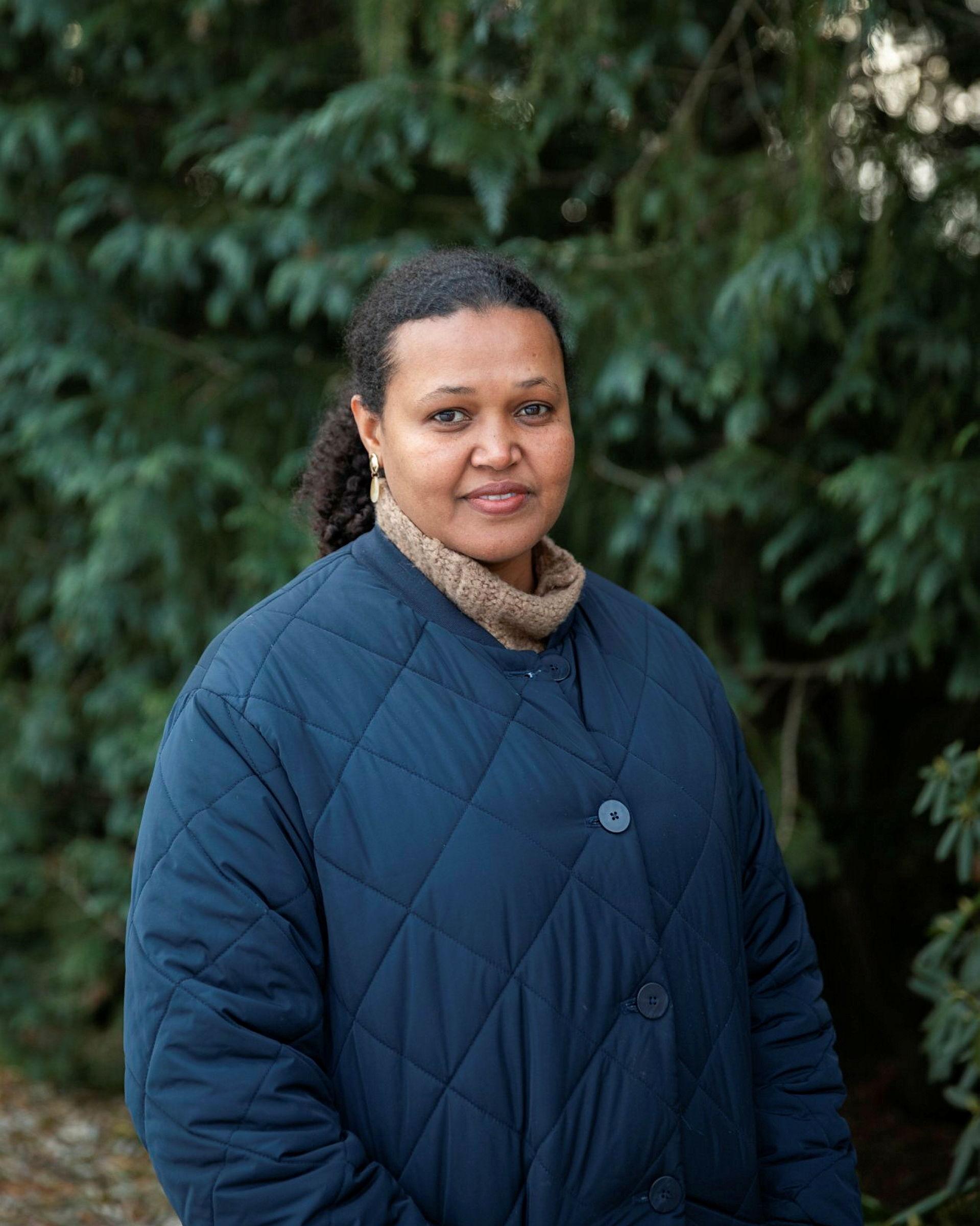
We talk to Meley Mekonen Rannestad, a researcher in tropical forest management and governance, to get her perspectives on this new construct to save the world’s remaining rain forests.
In recent years, she has represented NMBU as an observer at the UN climate conferences COP25, COP27, COP28, COP29, and COP30.
Persistent gap between ambitions and outcomes
What were your initial reactions to this newly announced fund?
"As a researcher focused on tropical forests-based climate change mitigation and adaptation, I welcome this renewed attention on tropical forests. However, I remain cautious. For nearly two decades, tropical forests have been a focal point of international climate policy.
"Initiatives like REDD+ (Reducing Emissions from Deforestation and Forest Degradation) have sought to financially incentivize developing nations to conserve and sustainably manage their forests. Despite these efforts, deforestation has continued to accelerate, underscoring the persistent gap between ambitious policy frameworks and tangible, on-the-ground outcomes."
This is neatly summed up by The Guardian:
In a recent article on TFFF they write that "governments and companies have repeatedly promised – and failed – to deal with the problem of deforestation. The last big push was at Cop26 in Glasgow when world leaders and financial institutions signed up to a commitment for zero deforestation by 2030."
With TFFF, money will pay for standing forests. The fund will also earmark 20 per cent of disbursements as direct payments for Indigenous and other traditional forest communities.
Formal safeguards not enough
What is your take on this?
"This is promising, but I fear TFFF might repeat the shortcomings of REDD+. Without strong safeguards, the new fund risks top-down governance dominated by national elites, limited participation of Indigenous peoples and local communities, and weak transparency around how funds are used.
"We have learned from REDD+ and carbon markets that formal safeguards are not enough if communities lack real decision-making power.”
I understand you are wary about whether the TFFF will correct the long-standing blind spots in data and geography on tropical forests?
"Regions such as dry forests and conflict-affected zones, including the Congo Basin, the world’s second largest and Africa’s largest tropical rainforest, remain critically under-researched and underfunded. Dry forests, which constitute nearly half of the world’s tropical forests, are often overlooked despite their ecological and socioeconomic importance.
"Similarly, the Congo Basin, which supports the livelihoods of 80 million people, sustains rainfall systems for an additional 300 million rural Africans, and plays a crucial role as the largest net carbon sink in the tropics, receives far less academic and public attention compared to the Amazon and Southeast Asia.
"If the TFFF allocates resources exclusively to areas with existing monitoring systems, it risks perpetuating global inequities, leaving vulnerable forests like the Congo Basin and dry forests invisible. This oversight would not only deepen knowledge gaps but also undermine efforts to address deforestation and degradation in some of the planet’s most vital and overlooked ecosystems.”
War and conflict overlooked drivers of tropical deforestation
In a recent op-ed you describe how East Africa's dry forests, or savannah forests, the livelihood of over 100 million people, are in danger of disappearing due to war. How does this apply to the challenges the TFFF must grapple with?
"Emerging evidence highlights conflict and political instability as some of the most destructive yet overlooked drivers of tropical deforestation.
"During periods of unrest, governance collapses, forest-dependent survival increases, and previously protected or restored landscapes become vulnerable. These indirect drivers, despite their profound and lasting impacts, are largely ignored in climate and biodiversity frameworks.
"Forest policy cannot succeed while treating peacebuilding, as well as sectors such as agriculture, energy, which are important drivers of deforestation and forest degradation, as separate agendas.
"If the Tropical Forests Forever Facility fails to acknowledge this complexity, COP30 will be remembered as another missed opportunity. But if the Facility embraces evidence, equity, and a truly integrated approach, COP30 could mark the moment global forest protection finally begins to match the scale of the crisis."