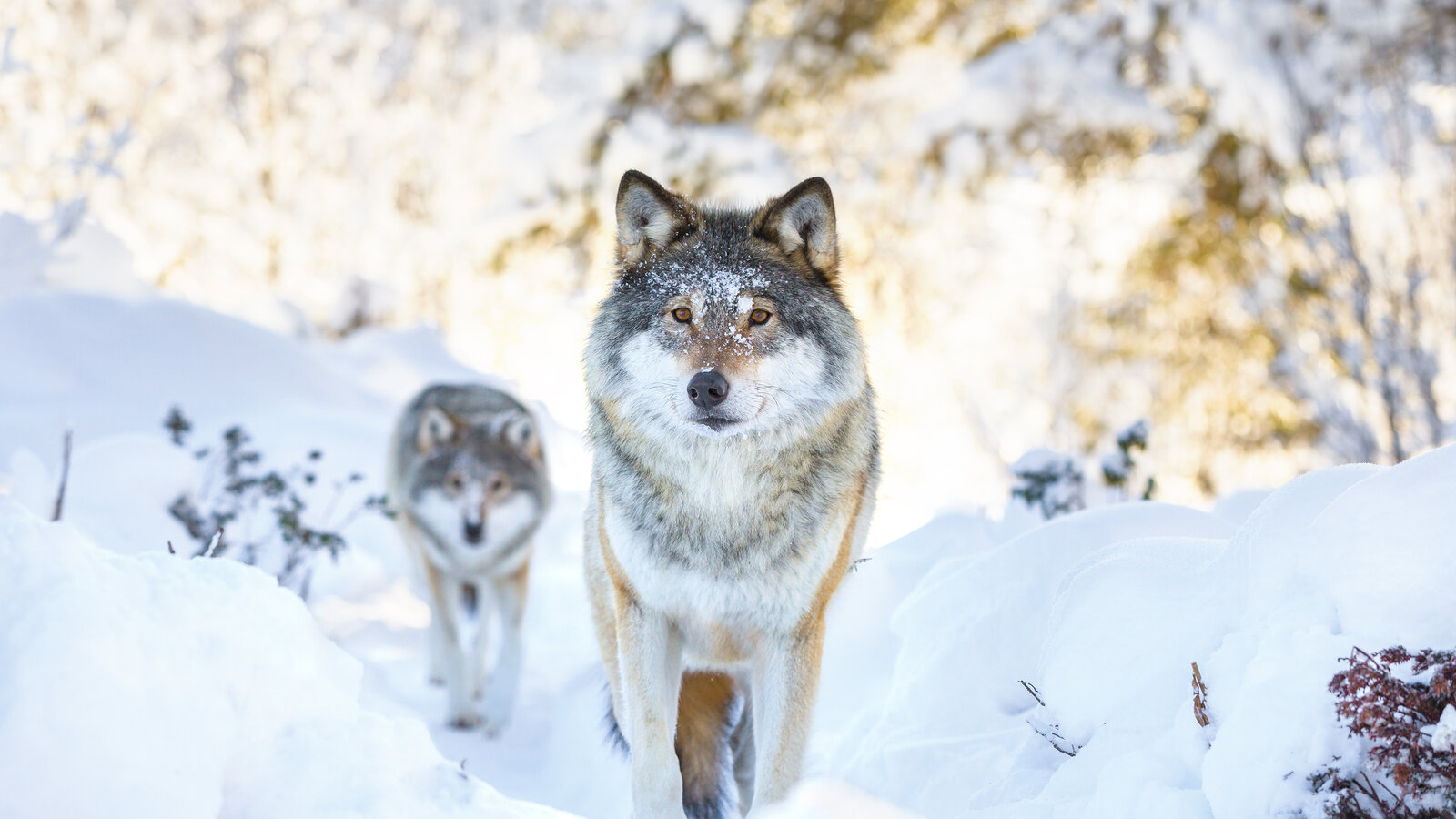
To ulver

metHODS AND RESOURCES

Modern Methods for Estimating and Mapping Large Carnivore Populations

Here you will find information and resources related to NMBU’s research on large carnivores. We have developed analytical tools to calculate population sizes and produce annual density maps for wolverines, bears, and wolves. These methods are ready to be used in adaptive management of large carnivores in Norway.

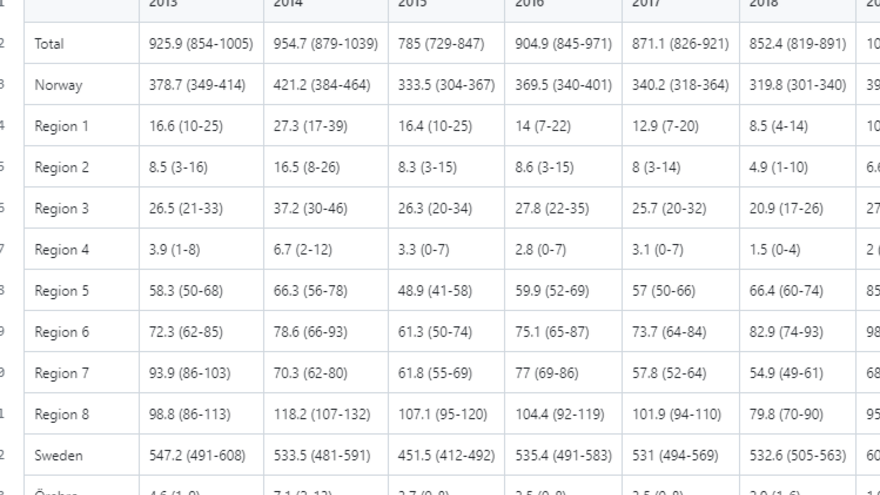
Annual estimates of population size and density maps are available for the past 10 years or longer. Estimates can be extracted for any country, management region, or zone.

Reports and maps are openly available to everyone.

Maps and Reports

screenshot av rovdyrkart

Density Maps for Wolves, Wolverines and Bears

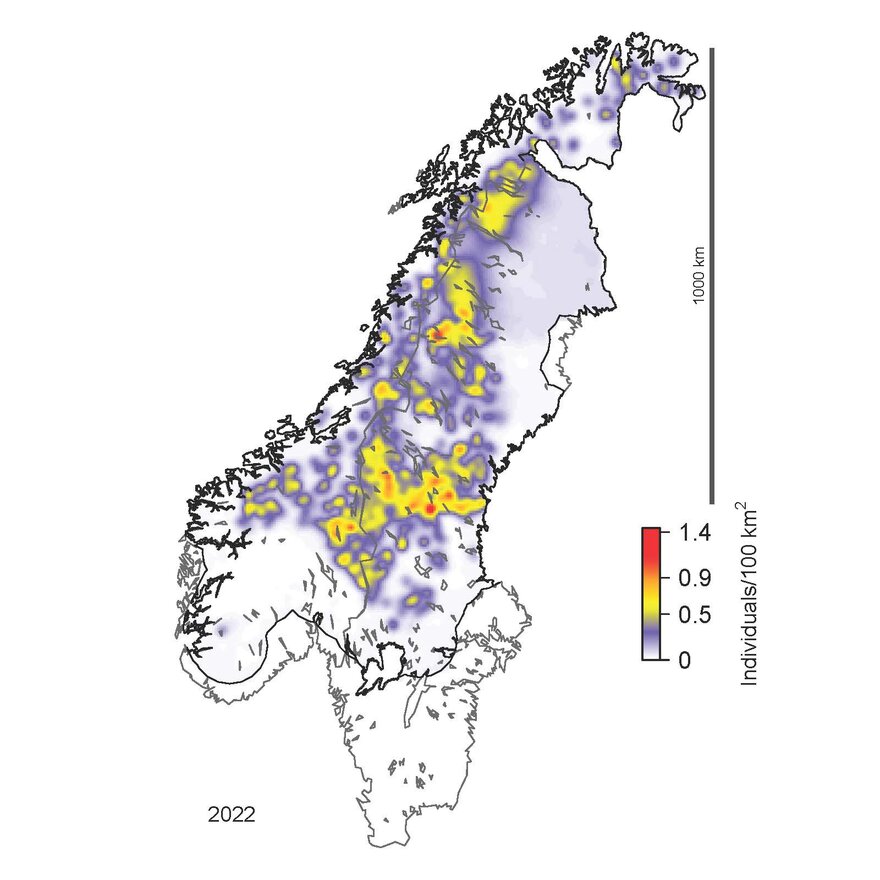
We have developed a digital portal where you can view our estimates of the distribution and density of wolverines, wolves, and bears in Scandinavia from 2014 to the present.
Go to the map here (external link).

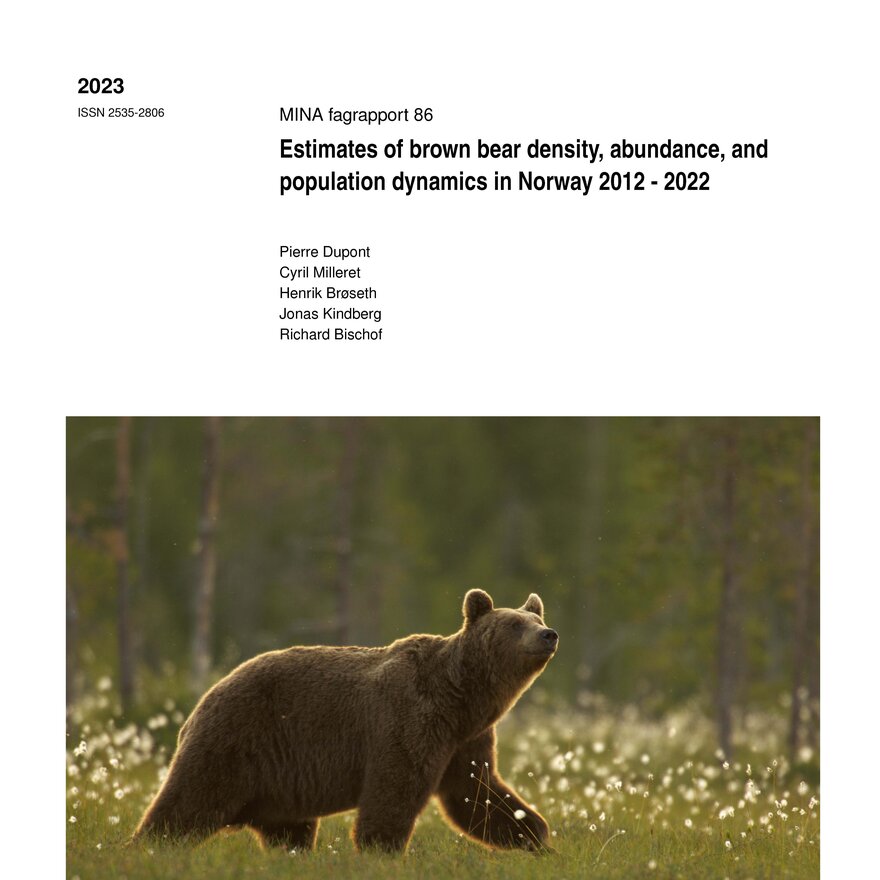
Forside av MINA Fagrapport 86

Reports

Our annual population estimates are published in MINA Fagrapport, a report series with an ISSN number.

Download the reports below:


Wolverine: Latest report with maps and population estimates (pdf) 

Screenshot av datasett.

Data

All our methods and results are openly accessible (Open Access).

The data underlying the reports and maps above can be downloaded via GitHub here:

https://github.com/richbi/RovQuantPublic

News

  • Methods
    DNA-streng

    How Do We Do It?

    We use data collected by management authorities and the public across Norway and Sweden. These data include sources of genetic material left behind by animals (such as scat, hair, and urine), animals found dead or killed by hunters, and observation reports.

    Dataene er samlet i rovbase.no (ekstern link).

    Estimater for distribusjon av jerv i Norge 2022

    About Models and Estimates

    We have developed advanced statistical models to analyze these data and estimate population sizes and distributions. The models account for the fact that the same animal may be detected in different areas and that some animals are never detected at all.

    The results can be presented as density maps and provided as total and region-specific population estimates.

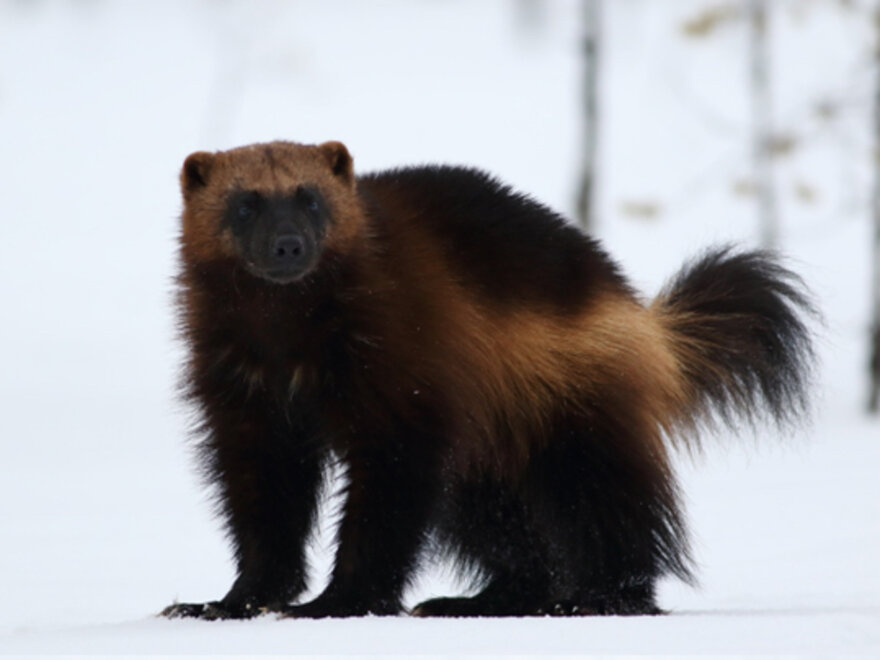
    wolverine

    Unique Data Foundation

    The Scandinavian monitoring of large carnivores is unique in scope, accuracy, and precision— even on a global scale. NMBU has been developing methods to estimate and map populations of bears, wolverines, and wolves since 2017.

    Since 2019, we have delivered annual density maps and population size estimates for wolves, wolverines, and bears in Norway, as well as wolves and wolverines in Sweden.

    To hus med en grense i mellom.

    Missing Registrations and Cross-Border Individuals

    Our maps and estimates take into account that:

    • Not all individuals are detected every year
    • Individuals move across administrative boundaries and are shared between different jurisdictions (management units and countries)

    Therefore, the estimates consider not only the number of individuals using a region but also the proportion of their activity that occurs within that region.

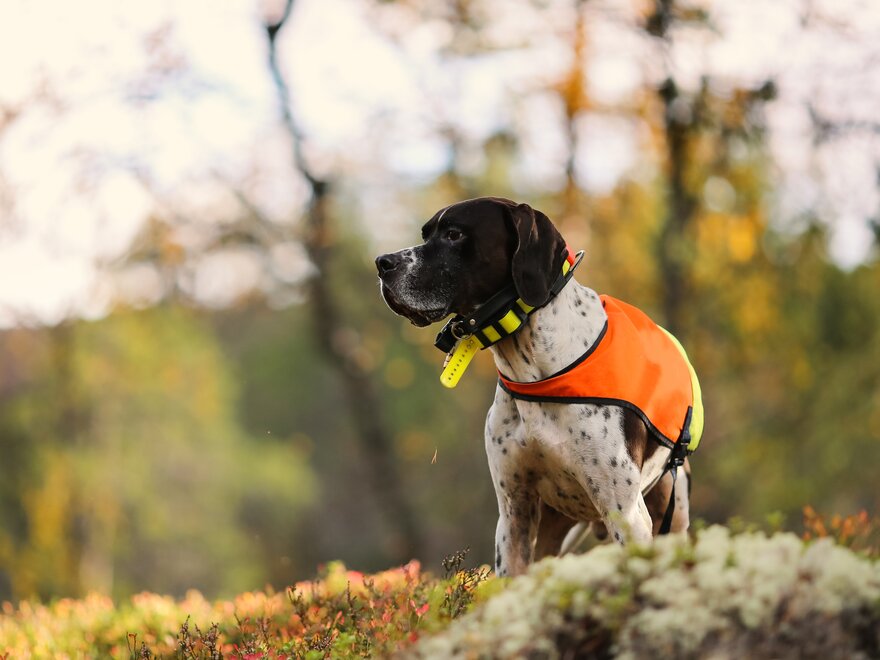
    Pointer med refleksvest

    Integrating Local Knowledge

    We combine multiple sources of information (including data provided by the public) to produce maps and population estimates for wolverines, wolves, and bears. Our sources include:

    • DNA material collected during annual sampling (including samples submitted by the public)
    • Information from dead carnivores (including data provided by hunters)
    • Reports of carnivore observations submitted by the public (via Skandobs)
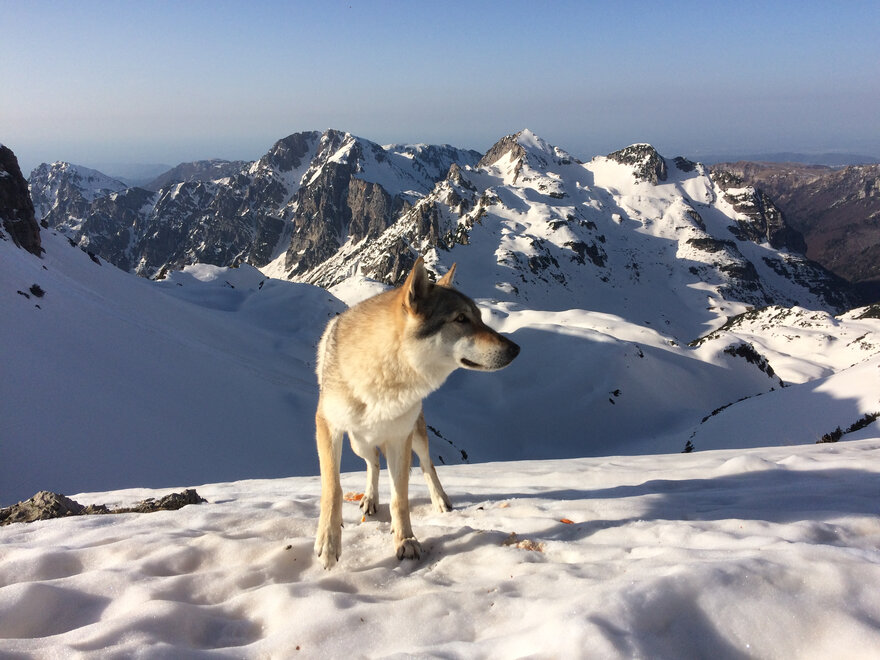
    Ulv i Dolomittene.

    International Methods

    Our methods are quality-assured through publication in international peer-reviewed scientific journals.

    Our methods are now being used to estimate carnivore population sizes in Italy, France, Germany, Canada, and the United States.

    Piler oppover

    Continuous Development

    At NMBU, we work continuously to improve methods for population estimation and mapping.

    We also work systematically to make monitoring more cost-effective.

  • Funding

    Our research is funded by NMBU, the Norwegian Environment Agency, the Swedish Environmental Protection Agency, and the Research Council of Norway.

    Most of the methods have been developed through the project RovQuant, which you can read more about here. There you will also find links to all scientific publications.

  • People

    About us

    NMBUs forskere på dette temaet tilhører forskNMBU’s researchers on this topic belong to the research group Applied Quantitative Ecology (AQEG). We use quantitative data to explain and model mammal communities and behavior. Read more about the research group here.

    Collaboration

    We collaborate with researchers both nationally and internationally, including UC Berkeley in California, USA; the Norwegian Institute for Nature Research; Centre d’Écologie Fonctionnelle & Évolutive (CNRS); University of Torino; Inland Norway University of Applied Sciences; the Swedish University of Agricultural Sciences (SLU); and the Swedish Museum of Natural History.

  • Contact

    Something missing? Do you work with carnivore management and feel that there is information missing on this page? Contact us!