Norwegian University of Life Sciences
Astri og Birger Torsteds Legat
Smådyrpraktiserende veterinærers forenings vitenskapelige og faglige fond
FEMS Training Grant
Background
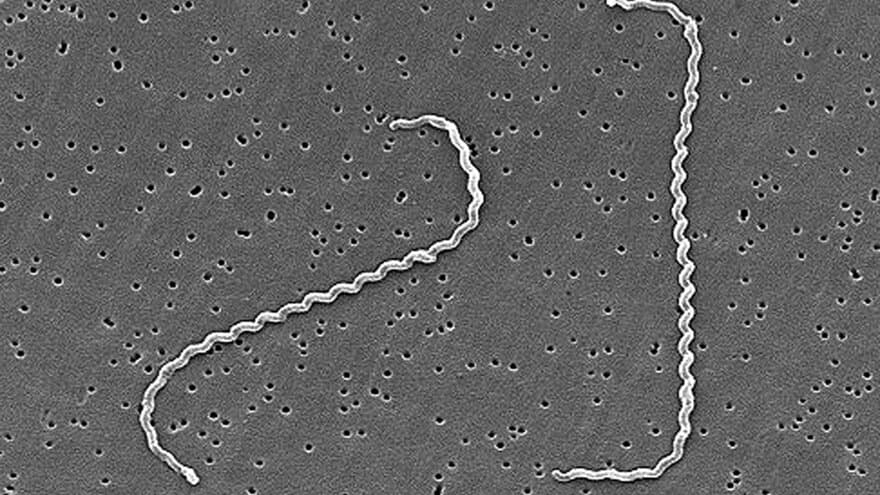
Leptospirosis is considered the most widespread zoonotic disease in the world with a notable (re-)emergence during the past decade. The World Health Organization (WHO) recognizes leptospirosis outbreaks to be driven by climate and environment since warmer and wetter conditions favor the spread of the infection. Leptospira have a broad host range and leptospirosis may present with a broad spectrum of clinical symptoms.
While maintenance hosts like rats generally remain asymptomatic, in humans, who are dead-end hosts, clinical manifestations are highly variable ranging from mild influenza-like symptoms to severe multisystemic illness with potentially fatal outcome. At-risk population include farmers and agricultural workers, fishermen, pest exterminators, water sports people, sanitary workers, sewage workers, animal caretakers, abattoir staff. In livestock, the clinical signs of leptospirosis include reduced fertility, stillbirth and abortion. Acute disease in dogs may present with acute kidney injury and liver impairment and respiratory, sometimes also gastrointestinal, signs. Leptospires colonize the kidneys of their host and can therefore be shed via urine into the environment, contaminating water sources.
The diagnosis of leptospirosis is difficult in both the clinic and the laboratory and the global disease burden is thus likely underestimated. In Sweden and Denmark, urban rats were identified as a source for leptospirosis with prevalence rates ranging from 24% to up to 89%, respectively, in recent years. It is believed that leptospirosis does not play a role in Norway but currently, no comprehensive data on leptospirosis in Norway are available to support that and the epidemiological situation including potential maintenance hosts is unknown.
Aims
Our network collaborates on different subprojects:
PhD. student Silje is working on identifying the role of Leptospira in cattle, rodents and shrews in Norway. Moreover, she is studying host-pathogen interactions of Leptospira borgpetersenii serovar Hardjo type hardjobovis in a bovine caruncular epithelial cell line (BCEC-1). Her project will shed light on the current epidemiological situation in Norway and understand the mechanisms that Leptospira use to cause reproductive disease in cattle by harming the placenta.
Our group linked to the HUNT One Health project aims at screening metagenomic data from livestock and pets for the presence of pathogenic Leptospira spp. and, subsequently, will felect this
Results/findings
We have established a qPCR to detect DNA of pathogenic Leptospira species. The qPCR targets a gene encoding outer membrane protein LipL32 and is based on primers and probe described by Stoddard et al. (2013) and Galloway et al. (2015).
Participants og collaborators
External participants
Anita Haug Haaland
Initiator and collaborator on PhD project "Leptospirosis - a One Health problem in Norway?"

Siv Klevar
Researcher, Norwegian Veterinary Institute
Collaborator on PhD projects
Karen Angeliki Krogfelt
Academic staff, Virology and Microbiological Preparedness, Statens Serum Institut, Denmark
Collaborator on PhD project "Leptospirosis - a One Health problem in Norway?"
Charlotte Sværke Jørgensen
Section Head, Virology and Microbiological Preparedness, Statens Serum Institut, Denmark
Collaborator on PhD project "Leptospirosis - a One Health problem in Norway?"
Arnulf Soleng
Norwegian Directorate og Health
Collaborator on PhD project "Host-pathogen interaction of Leptospira"
Ulrika Windahl
Swedish Veterinary Agency
Collaborator on PhD project "Host-pathogen interaction of Leptospira"

Christiane Pfarrer
Professor, University of Veterinary Medicine Hannover
Collaborator on PhD project "Host-pathogen interaction of Leptospira"

Roshin P. Raj
Senior Scientist, Nansen Environmental and Remote Sensing Center, Norway
Collaborator and co-supervisor on research track project "Presence of pathogenic Leptospira spp. in the Norwegian urban environment"
Other collaborators
Research Track Student NMBU: Maiken Langli
Naturformidling van der Kooij: Jeroen van der Kooij
Publications
List of publications on Leptospira (co-)authored by the project leader.