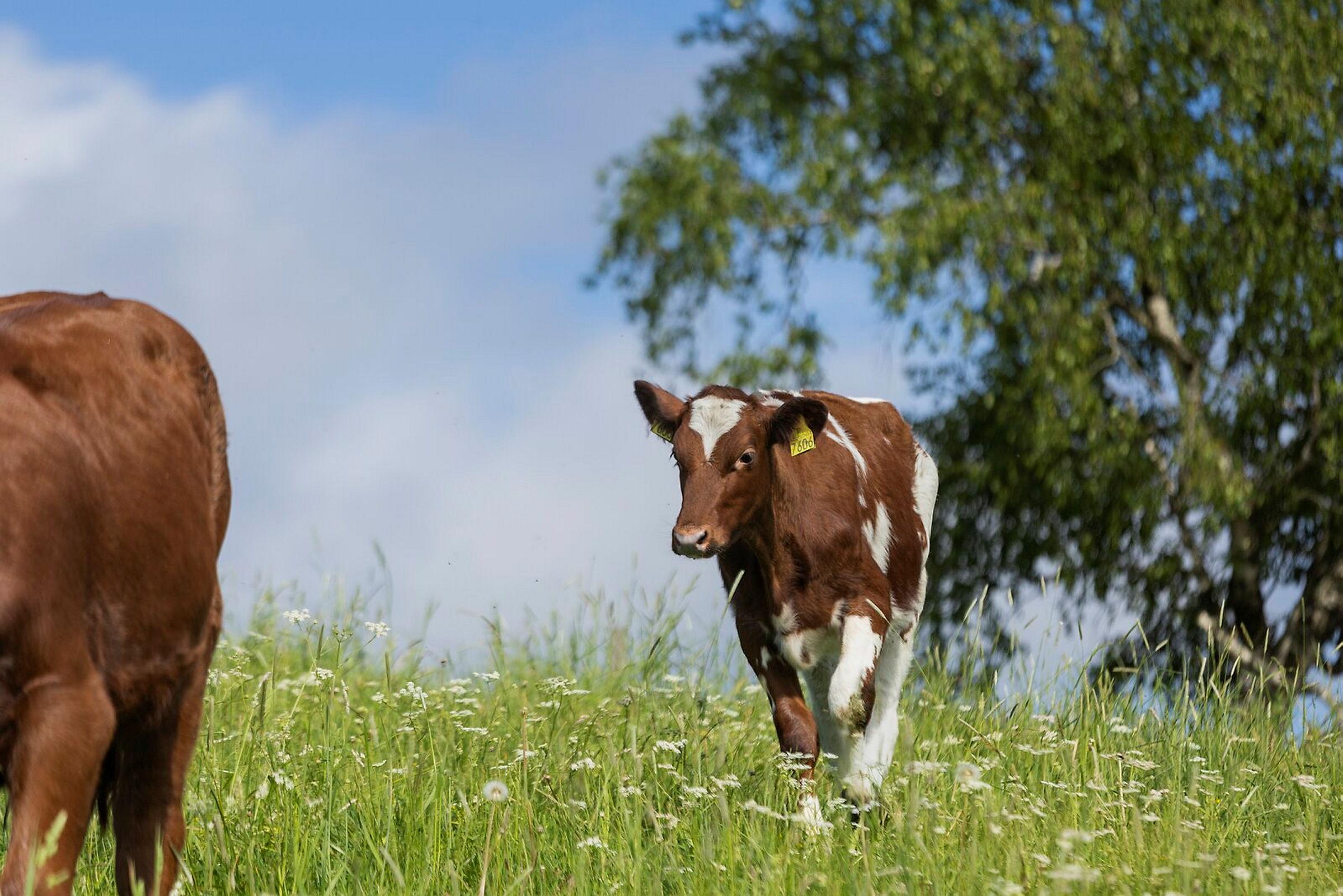
The PhD thesis of Alicja Krysmann highlights the importance of host–microbiome–pathogen interactions in mastitis and supports ecology-based approaches to udder health management.
Below, she answers four questions about her research:
Why is this research important?
Mastitis, an inflammatory disease of the udder, remains one of the leading causes of antibiotic use in the dairy industry. Traditionally, mastitis research has focused mainly on individual pathogens; however, the udder also contains a complex microbial community whose role in health and disease is still poorly understood.
What were the goals of you phd-work?
The aim of this thesis was to investigate the interactions between the host immune system, mastitis-associated pathogens, and the milk microbiome, treating the udder as an ecological system rather than focusing on a single infectious agent. The work particularly focused on Staphylococcus aureus, one of the most important mastitis pathogens.
What are your most important results?
The results demonstrated that different bacterial species induce markedly different immune responses, with some bacteria commonly regarded as pathogenic causing little to no detectable immune activation.
The thesis also identified important interactions between bacterial species within the milk microbiome, including both inhibitory and potentially virulence-enhancing effects that may influence pathogen establishment and disease progression.
What is the potential impact of your research:
These findings highlight the importance of considering microbial interactions and microbiome composition in mastitis development. The research contributes to a broader ecological understanding of udder health and suggests that future mastitis management strategies may benefit from approaches that go beyond conventional antibiotic treatment.
In the long term, this may support the development of more sustainable disease prevention strategies and help reduce antibiotic use in dairy production.

About the research:
- Alicja Krysmann
- Has previously studied Master’s in Microbiology
- Is from Wroclaw in Poland
- Has now completed her PhD at NMBUs Faculty for Chemistry, Biotechnology and Food Science
- The title of her thesis in English and Norwegian:
- Host - Pathogen – Microbiome interactions shaping the bovine udder ecosystem
- Vert - Patogen - Mikrobiom interaksjoner danner melkekuas jur-økosystem
- Main supervisor: Davide Porcellato
- Co-supervisor(s): Morten Kjos