Documentation of underwater cultural heritageMarine ecologist Ian Bryceson joins forces with the VR lab to develop and test 3D digital solutions that enable the public better access to underwater cultural heritage in Tanzania.
Developing new technologies for land use planning in historically important landscapesVR-Lab in a new project to develop digital and visual solutions that support sustainable spatial planning and management.
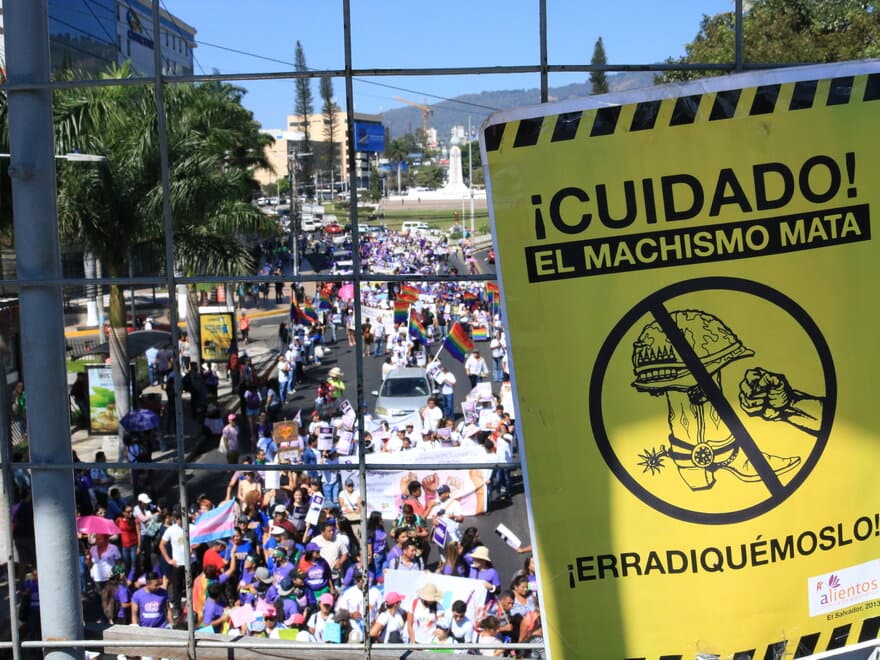
No safe place: Living on the margins of El SalvadorNew research uses the experiences of vulnerable young women, transsexuals and sex workers in El Salvador to explore the security situation in the violence-stricken country.
No safe place: Living in the margins of El SalvadorNew research uses the experiences of vulnerable young women, transsexuals and sex workers in El Salvador to explore the security situation in the violence-stricken country.
Teaching history of garden art and landscape architecture through Virtual RealityThe VR-Lab at NMBU produces story-guided VR tours for historical gardens and parks. These virtual tours enable educators, researchers and students to observe and understand the complications of histor…
NMBU's VR-Lab in a new publication on perceived safety in urban parksNew study combines the use of field and Virtual Reality experiments to evaluate safety measures in green space management and perceived safety.
Virtual Tours library for historically important landscapesNMBU's Virtual Reality Lab shared their work on the use of VR for creating tours of historically important landscapes at the European Council of Landscape Architecture Schools conference 2021
Virtual reality and public participation in the evaluation of landscape planting designMarius Ellefsen investigated whether VR technlogy is viable in evaluation of digital landscapes in public participation processes in Norway. This study could help landscape architects evaluate the eff…
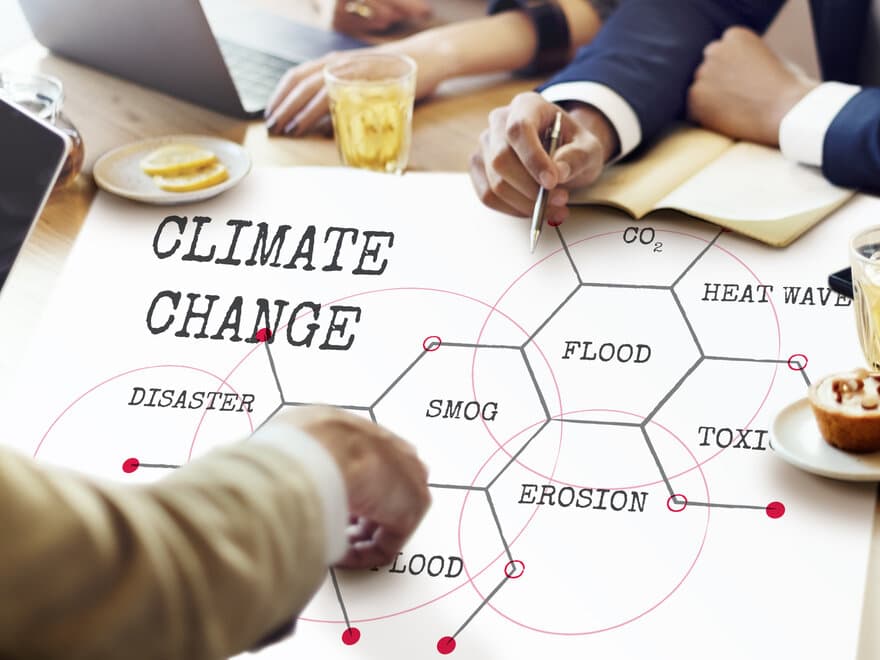
Expectations of COP26Two of our researchers are lead authors in the forthcoming UN climate report. A third NMBU researcher helped to quality assure the previous report and a fourth is an expert on international climate ne…
How does upbringing affect your likelihood of developing obesity and cardiovascular disease?New study shows that the parents, aunts and uncles of overweight young adults have a greater risk of dying from cardiovascular disease. Is this the result of nature or nurture?